California families should throw away any Sierra Nevada Graziers raw milk cheese in their homes, the state health department warned Saturday, Oct. 3.
The California Department of Public Health (CDPH) urged residents not to eat or serve the unpasteurized cheese to children after a multistate E. coli outbreak linked to the product. The agency posted the warning on its official X account, calling it a food recall alert.
Thirteen people have fallen ill across nine states, eight have been hospitalized and three developed hemolytic uremic syndrome (HUS), a serious kidney complication, according to the FDA's outbreak investigation page. No deaths have been reported. Of nine patients interviewed, all nine reported eating Sierra Nevada Graziers grass-fed raw milk cheese.
More than half the cases are in children 5 or younger.
California has three confirmed cases. Nevada also has three. Colorado, Georgia, Kentucky, Michigan, Oregon, Tennessee and Utah each have one, ABC10 reported.
Sierra Nevada Cheese Company of Willows initiated a voluntary recall of all Graziers Raw Milk Cheese on Thursday, Sept. 24, after the FDA contacted the company about the outbreak, according to the FDA recall notice. The company stopped production and shipment that same day.
What's recalled
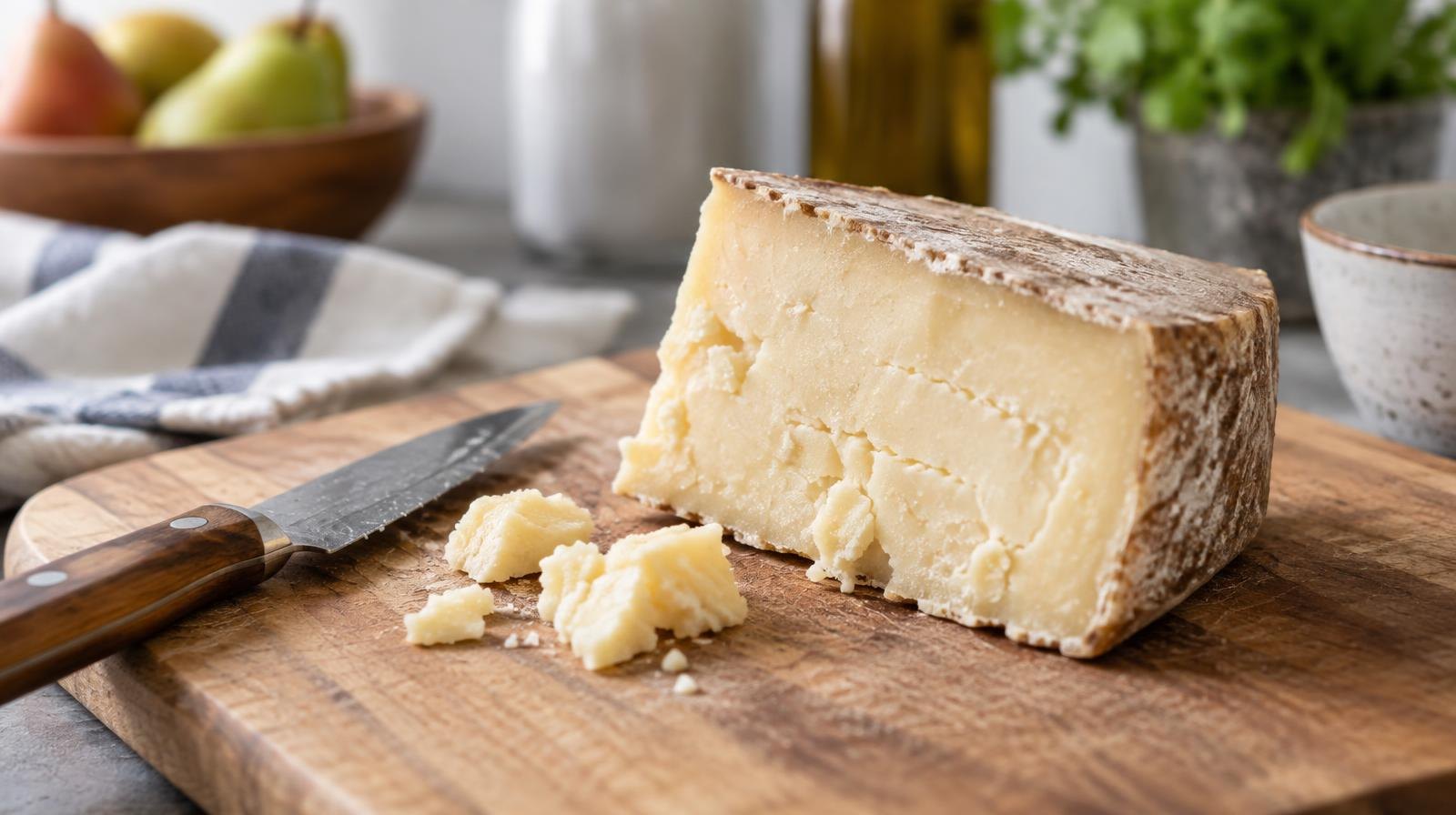
The recall covers four varieties: Monterey Jack, Jalapeño Jack, Medium Cheddar and Sharp Cheddar. Package sizes include 8-ounce squares, a 16-ounce Medium Cheddar brick, 5-pound loaves and 40-pound blocks. The products were distributed nationwide.
Investigators have not narrowed the contamination to a specific lot or production date, so every Graziers Raw Milk Cheese product on the market is included, the FDA said.
Shelf life and storage
The cheeses have a long shelf life, so product purchased weeks or months ago could still be in a home kitchen. The FDA advises anyone who stored the cheese without original packaging and cannot confirm whether it is part of the recall to throw it away. Surfaces and containers that touched the cheese should be cleaned with hot, soapy water or run through a dishwasher.
Symptoms and who's at risk
Shiga toxin-producing E. coli (STEC) infection can cause bloody diarrhea, vomiting and stomach cramps, with symptoms starting three to four days after exposure, ABC10 reported, citing CDPH. Most people recover on their own, but young children under 5, pregnant women, older adults and people with weakened immune systems face the highest risk of severe illness.
HUS can cause red blood cell damage and kidney failure, CDPH said.
What to do
Residents who have Sierra Nevada Graziers cheese at home should discard it or return it to the store for a refund. Those with questions can contact Sierra Nevada Cheese Company at (530) 934-8662, Monday through Friday, 8:30 a.m. to 5 p.m. Pacific time, or email [email protected].
ABC10 reported that Sierra Nevada Graziers had not responded to a request for comment as of Saturday, Oct. 3. The FDA investigation remains ongoing.