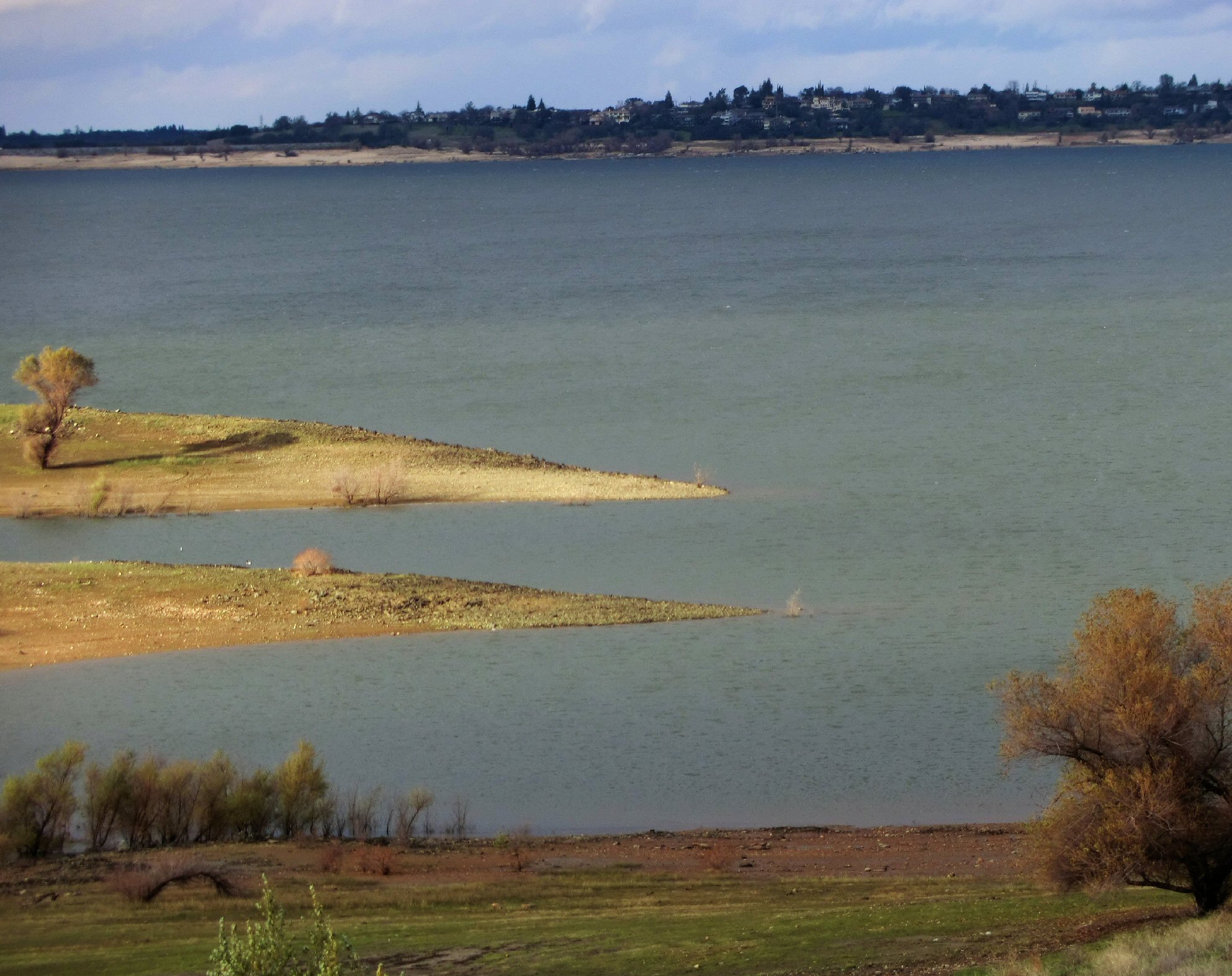
Folsom Lake closed the 2025-2026 water year holding 87% of its historical average storage, even as most Northern California rain gauges finished at or above normal levels.
The lake held 425,340 acre-feet of water on Thursday, Oct. 1, according to preliminary California Data Exchange Center (CDEC) data. That's about 44% of its roughly 977,000 acre-foot total capacity. California's water year runs from Oct. 1 through Sept. 30 the following year.
The gap between decent rainfall and below-average reservoir storage comes down to snow. KCRA meteorologist Ophelia Young reported that the Sierra snowpack peaked in February instead of its usual early-April high point. March brought record warmth and dry conditions, cutting spring and summer runoff well short of normal.
Snowmelt accounts for roughly 30% of California's usable water supply, KCRA meteorologist Heather Waldman wrote on her Facebook page.
"The larger reservoirs in the northern part of the state are holding a little less water than usual … That's not surprising given the snow situation," Waldman wrote on Wednesday, Sept. 30. Shasta Lake sat at 97% of average and Lake Oroville at 86%.
Rain was solid, snow was not
According to KCRA's Dirk Verdoorn, most official National Weather Service (NWS) monitoring sites across Northern California finished the water year near or above their rainfall averages. Stockton led the region at 1.69 inches above its average. Nearly every site outperformed the prior year. Redding was the lone exception.
Statewide, precipitation totals came in near average, Young reported.
What's ahead for Folsom Lake
October is typically when California reservoirs hit their lowest point before fall and winter rains arrive. Folsom Lake's storage dropped steadily through September, falling from 458,581 acre-feet on Sept. 2 to 425,340 acre-feet on Oct. 1, according to CDEC data.
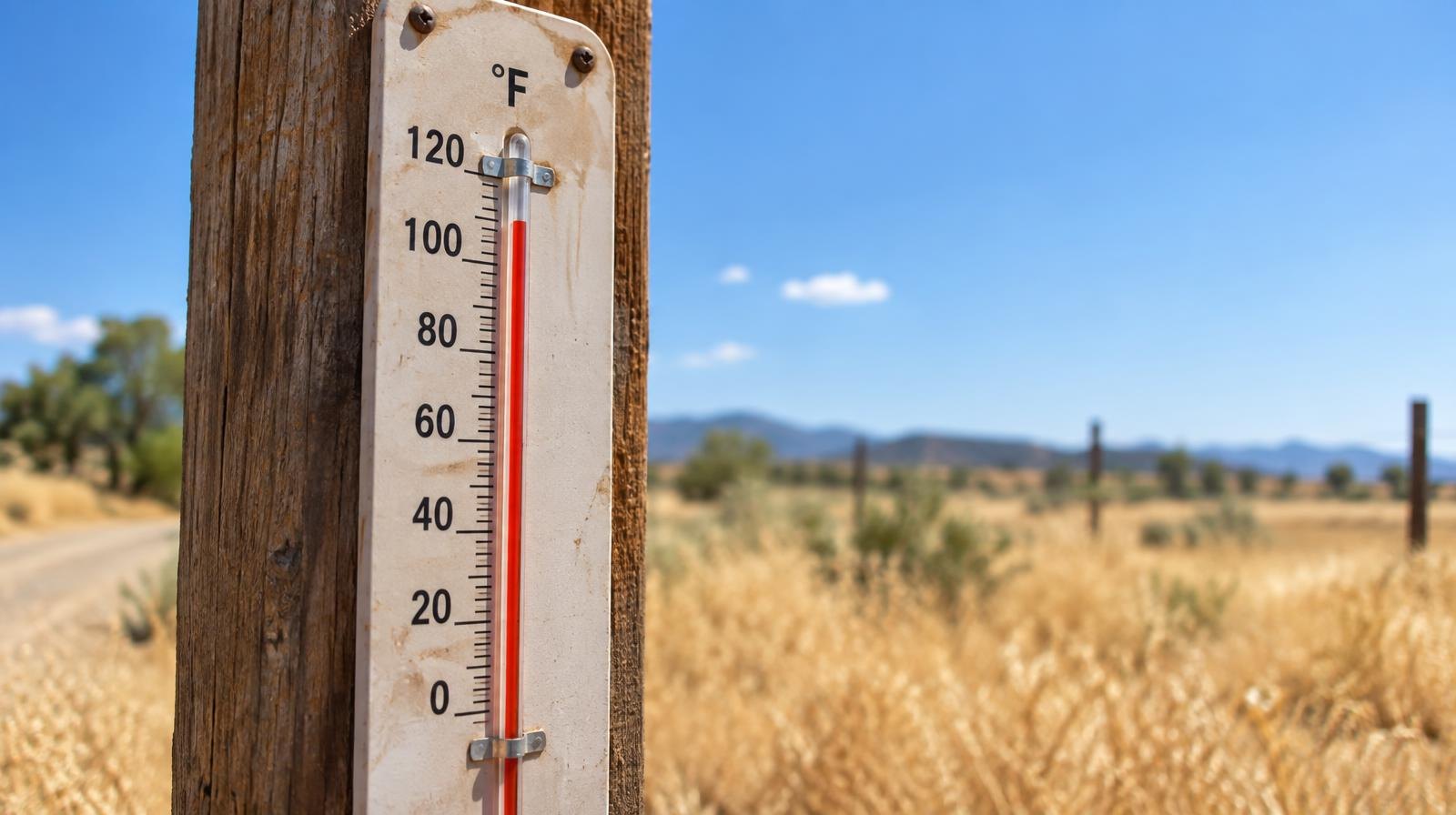
No rain is expected through the first stretch of October, Young reported. A heat advisory from the National Weather Service Sacramento covers the Folsom-area foothills through 10 p.m. Monday, Oct. 5.
Looking further out, Waldman said a strengthening El Niño event in the Pacific increases the odds of a wetter-than-normal winter, particularly for Southern California. The outlook for Sierra snowpack, which feeds Folsom Lake through American River runoff, remains less certain.