Drug overdose deaths across the United States dropped 14% in 2025, falling to roughly 70,000 for the year, according to preliminary CDC data reported by AJMC on May 13.
It marks the third straight annual decline and the lowest national total since before the COVID-19 pandemic. California has tracked that trend closely. The state recorded 2,350 fewer overdose deaths in 2024 than the year before, a 23% drop, according to the Commonwealth Fund.
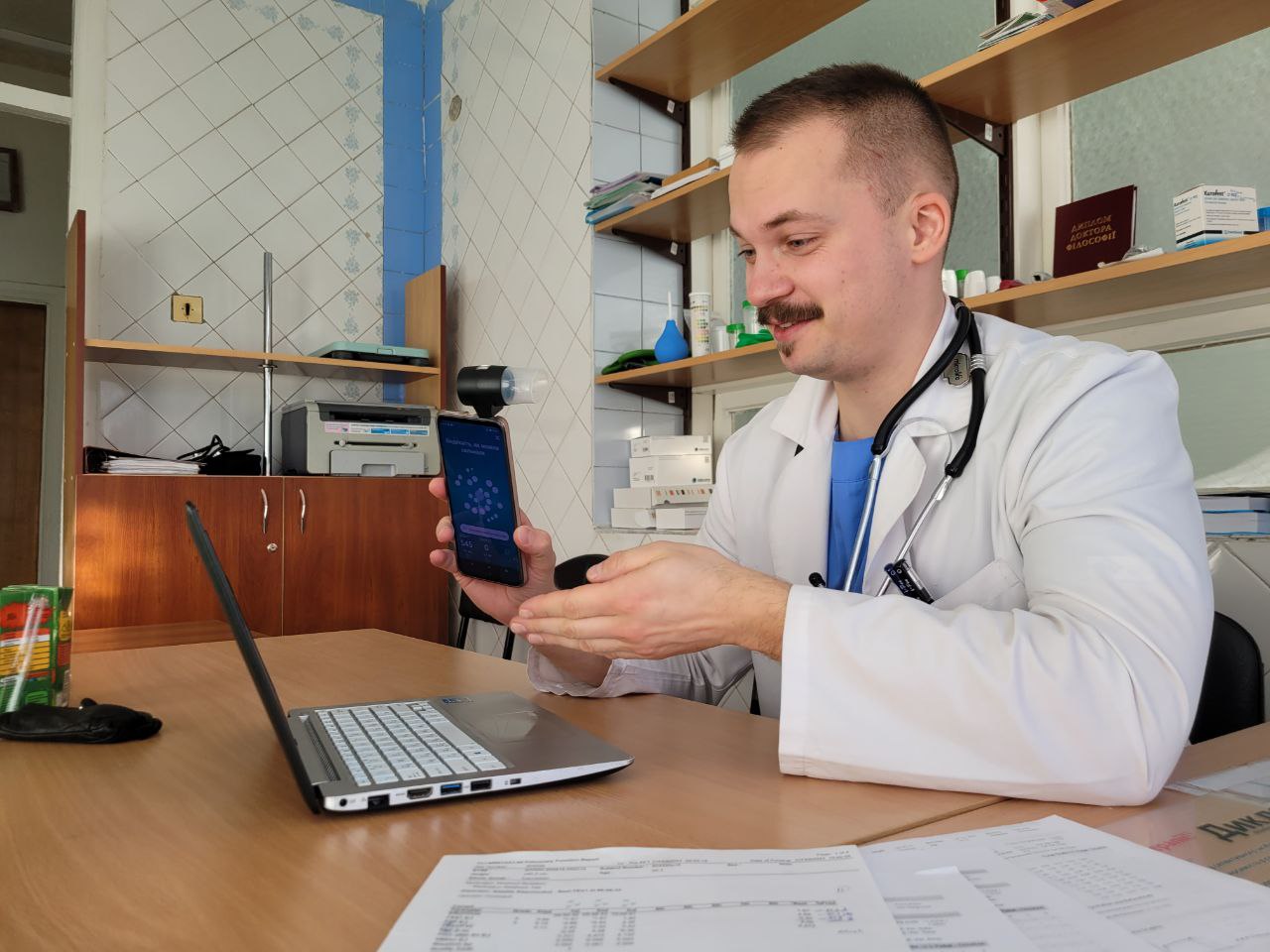
A permanent federal rule is helping drive the shift. Patients can now receive buprenorphine prescriptions through video or audio-only telehealth visits without first seeing a provider in person, according to the Pew Charitable Trusts. The rule took effect Dec. 31, 2025, making permanent a flexibility that began during the pandemic.
That change matters across California, where the state allows telehealth-based prescribing of medications for opioid use disorder (OUD) and where Medi-Cal covers buprenorphine treatment delivered virtually, according to AddictionResource.net. Three in 10 rural Americans have no access to a buprenorphine provider, according to Kaiser Permanente, citing a 2023 study.
Treatment gap persists
The progress comes against a stubborn backdrop. About 4.8 million Americans had opioid use disorder in 2024, according to the Substance Abuse and Mental Health Services Administration's (SAMHSA) National Survey on Drug Use and Health. Only 19% of people who needed substance use disorder treatment received it.
Buprenorphine prescriptions in California reached 644,484 in 2024, up 65% from 390,321 in 2012, according to American Medical Association data. Nationally, prescriptions rose 83% over the past decade, though growth has plateaued in recent years, the AMA's 2025 substance use report found.
AMA President Bobby Mukkamala said in a Jan. 13, 2026, statement that while the data shows progress, the epidemic is evolving in dangerous ways, with fentanyl and polysubstance use continuing to put patients at risk.
Telehealth fills gaps
A growing body of research supports the virtual model. A synthesis of 41 peer-reviewed studies published in March 2023 by Noa Krawczyk and colleagues found that telehealth successfully engaged buprenorphine patients facing a wide range of barriers, including veterans, people experiencing homelessness, those with co-occurring psychiatric conditions, rural residents and people involved in the criminal justice system. Patients in the reviewed studies said virtual visits reduced transportation obstacles, helped them manage withdrawal at home and felt less stigmatizing than in-person appointments. Among 971 prescribers surveyed across the studies, 85% supported making the pandemic-era telehealth flexibilities permanent.
Virtual treatment platforms have emerged to reach patients who lack nearby prescribers. Ophelia, a New York-based digital provider founded in 2019, is one such platform operating in California that connects patients with clinicians via video visits for buprenorphine treatment.
The model is not unique to one company. Pew researchers found that telehealth access to buprenorphine led more patients to start and stay in treatment without increasing overdose deaths. Arthur Robin Williams, Ophelia's chief medical officer, has argued in a previous interview with Becker's Behavioral Health that medication is the single most important factor in saving lives from opioid addiction.
The federal telehealth flexibility is not yet settled permanently for all prescribers. The DEA extended temporary telemedicine provisions through the end of 2026 while it works on a special registration process.