An unvaccinated traveler with measles rode Amtrak trains and buses through Sacramento and five other California counties. The California Department of Public Health (CDPH) is urging riders who shared those routes between Thursday, Sept. 10, and Monday, Sept. 14, to check their vaccination status.
CDPH announced the exposure warning Friday, Sept. 18. The passenger was later hospitalized with measles.
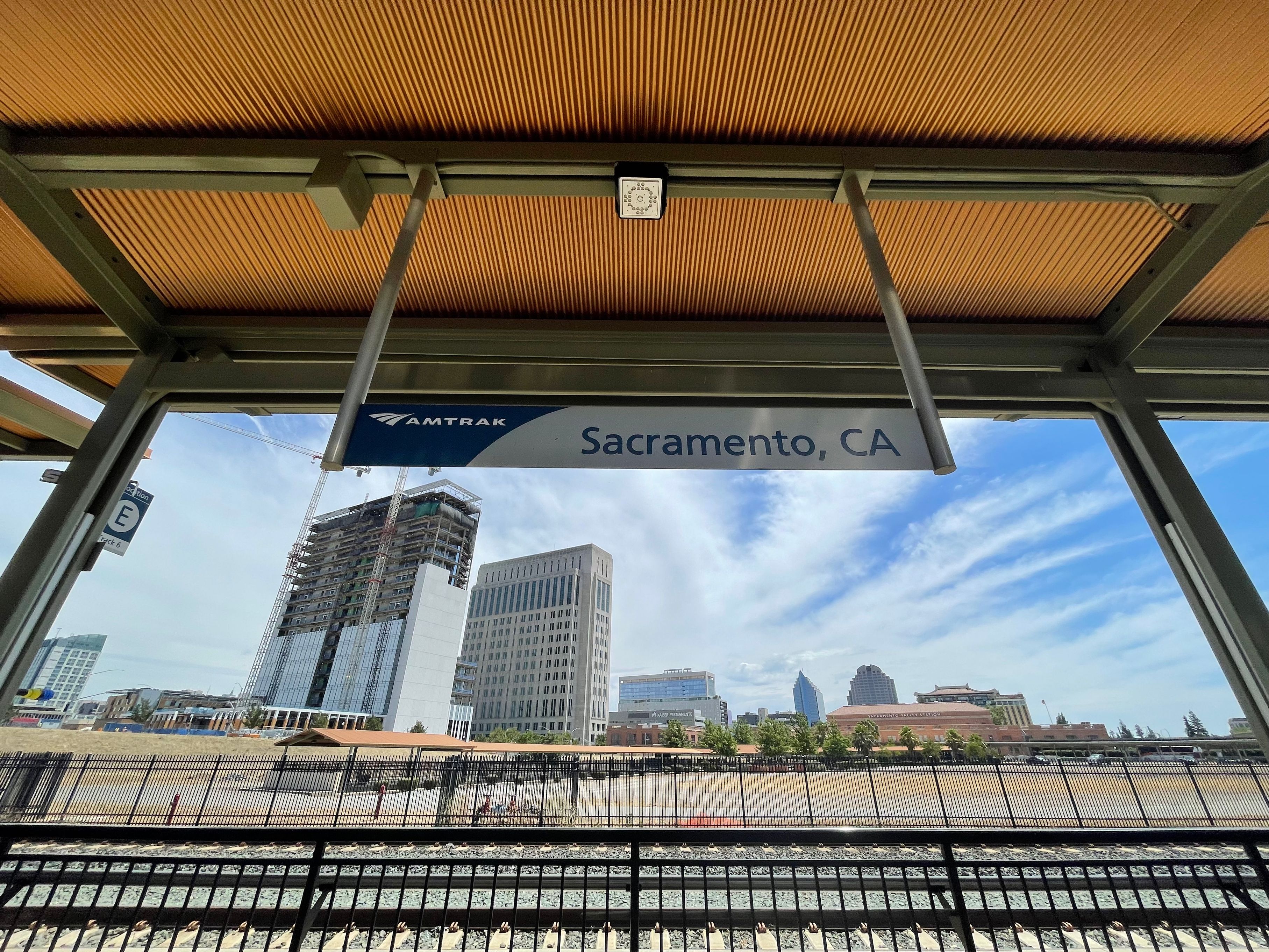
The traveler arrived at Los Angeles Union Station on Saturday, Sept. 12, after departing Chicago on Sept. 10. The passenger then moved through Bakersfield, Stockton and Oroville before reaching the Sacramento area. KCRA reported the passenger departed Oroville at 4 p.m. on Sunday, Sept. 13, and arrived at Sacramento Valley Station at 6:05 p.m. The passenger left Sacramento at 6:53 p.m. that evening, arriving at Emeryville Station at 8:36 p.m. The traveler departed California for Denver on Monday, Sept. 14.
In all, the passenger passed through Alameda, Butte, Kern, Los Angeles, Sacramento and San Joaquin counties. Anyone who rode those trains or waited at those stations during the exposure window may have been exposed.
El Dorado Transit runs regular commuter bus service between El Dorado Hills, Cameron Park and Sacramento. Area commuters who passed through Sacramento Valley Station on the evening of Sunday, Sept. 13, should check their vaccination status.
What residents should do
CDPH said roughly 90 percent of unvaccinated people exposed to measles will contract the disease, according to CBS Sacramento. Two doses of the measles, mumps and rubella (MMR) vaccine provide full immunization.
The agency's press release said people exposed within the past seven days should talk to a health care provider about vaccination or immune globulin. Immune globulin is recommended for infants under 12 months, pregnant people without immunity and those with weakened immune systems. People exposed between seven and 21 days ago who are not immune should stay home and limit contact with others for 21 days after exposure.
Symptoms to watch for include fever, cough, runny nose, red or watery eyes and a rash. They can appear seven to 21 days after exposure. CDPH advises anyone who suspects measles to call a health care provider before visiting a medical facility to avoid spreading the virus.
Californians can check their vaccination status through the California Digital Vaccine Record and schedule an appointment at MyTurn.ca.gov.
Statewide and national context
Dr. Rita Nguyen, CDPH assistant state public health officer, said in the Sept. 18 announcement that "measles is one of the most contagious infections that can lead to severe life-long consequences including permanent brain damage and can also be fatal, especially for children."
As of Sept. 14, CDPH had recorded 59 measles cases across 13 California counties. In 94 percent of those cases, patients were unvaccinated or had unknown vaccination status.
Nationally, more than 3,400 measles cases had been reported in 2026, NBC Bay Area reported, citing health experts. That compares with fewer than 2,300 in all of 2025. Three confirmed measles deaths occurred nationwide in 2025, according to CDPH.
CDPH is working with the Centers for Disease Control and Prevention (CDC) and local health departments to notify passengers who may have been exposed.